
FHA Construction Loans in the Tri-Cities 2026: What to Settle Before You Reserve the Lot

You found a lot outside Johnson City, or a builder’s plan in Kingsport or Bristol, and someone said an FHA loan will cover it. That sentence is where a lot of Tri-Cities new-construction conversations go sideways. An FHA loan on a house that is already standing is not the same product as an FHA construction loan on a house that does not exist yet.

Tim Arrowood and The Arrowood Team at Preferred Rate work with buyers who are choosing a builder, a lot, and a loan at the same time. This page is the conversation he has before you write a reservation check. It is education. It is not a rate quote and not a commitment to lend. The builder, the lot, your credit, and the occupancy plan decide what is actually available.

Tim is an originating branch manager, NMLS 393468. The shop is Preferred Rate, partnered with American Pacific Mortgage, NMLS 1850. The office is in Johnson City. The markets he walks every week are the Tri-Cities: Johnson City, Kingsport, Bristol, and the counties around them.

FHA construction is a different loan than FHA on a finished house

A standard FHA purchase is for a home you can walk through today. The appraisal looks at a completed property. You close once. You start a permanent payment.

An FHA construction-to-permanent loan, often called an FHA one-time close, is built for a house that will be built. One closing is meant to cover the construction period and the permanent mortgage after the house is finished, when the lender, the builder, and the plans qualify. During construction the lender releases money in stages as work is done. Those stages are draws. After the house is complete and the final inspection clears, the loan is supposed to become the mortgage you pay like any other FHA loan.

That is not the same tool as an FHA 203(k), which is for repairing or renovating a house that already exists. If a Kingsport listing needs a new roof and a kitchen, that is a renovation question. If a Johnson City builder is pouring a slab on your lot, that is a construction question. Mixing those two names is how people reserve the wrong path.

HUD sets the FHA rules, and they change. The Arrowood Team uses the current HUD handbook for the year you apply, not a blog from last cycle. If a figure on a flyer does not match the handbook, the handbook wins.

Who this fits around Johnson City, Kingsport, and Bristol

FHA construction is worth a real look when three things are true. You want a house built, not a house remodeled. You plan to live in it as your primary home. And the down payment, credit, and builder setup can pass an FHA construction review, not only a generic pre-approval for an existing house.

It shows up often for first-time buyers in Washington County and Sullivan County who want a new plan instead of an older house that needs 203(k) work. It also shows up when a family is moving to the Tri-Cities and the resale inventory in the school zone they want is thin. A new build can be the answer. The loan still has to match the builder’s contract, not a national ad.

It is a poor fit when you already own the house and only need repairs. It is a poor fit when the property will be a rental from day one. And it is often the wrong first tool if you have a Certificate of Eligibility and a VA one-time-close construction loan will treat the same lot with less cash at the start. The Arrowood Team already publishes a separate walk-through of that VA construction path. Use that page if you are eligible. Use this page if FHA is the program on the table.

Settle these items before the reservation check

Builders in the Tri-Cities ask for a lot reservation, an earnest deposit, or a design-center deposit before the loan structure is finished. That deposit is real money. Do the loan questions first.

Ask whether this builder is acceptable to the lender for an FHA construction-to-permanent loan. A builder who is fine for a cash build or a conventional construction loan is not automatically approved for FHA. Plans, specifications, and the building contract have to be in a form the lender and HUD’s construction process can use.

Ask what the contract price includes and what it does not. Lot cost, well and septic when the lot is outside a city system, driveway, and allowances at the design center move the number the loan is based on. A Johnson City subdivision lot on city water is a different cost story than a Bristol lot that still needs a septic permit.

Ask who pays interest while the house is being built. On many construction-to-permanent loans you pay interest only on the money already drawn, not on the full future mortgage, until the house is finished. That payment is still due during construction. Budget it next to rent if you will not move in for several months.

Ask what happens if the build runs long. Weather, a back-ordered window, or a failed inspection can push the completion date. The contract and the loan both need a grown-up answer for that delay. “We will figure it out” is not an answer.

How the payment is different from a resale FHA purchase

On a finished FHA purchase in Johnson City, you close and the full principal and interest payment starts. On a construction-to-permanent loan, the early months are usually about the draws. You are paying for money the builder has already used. You are not yet paying down a finished house, because the house is not finished.

When construction ends, the loan converts to the permanent mortgage. That is the payment people mean when they ask “what will my house payment be?” Get that permanent estimate, and get the construction-period estimate, as two numbers. One number hides the months you are paying rent and interest at the same time.

FHA mortgage insurance is part of the permanent cost. It does not work like conventional private mortgage insurance, which can often be dropped later when equity and the investor rules allow. That difference is one reason a Tri-Cities buyer with stronger credit still asks for a conventional construction comparison even when FHA was the first program mentioned. Neither program is automatically cheaper. The comparison is the full payment after the house is done, plus the cash you need before the first draw.

The Arrowood Team will not quote a personal rate or APR on this page. Rates move, and a construction loan’s rate setup can differ from a plain purchase. The useful step is an estimate on your lot, your plans, and your credit, with FHA and the next-best program side by side.

When VA one-time close or conventional is the better tool

If you have VA eligibility and the builder can do a VA one-time-close construction loan, start there before you default to FHA. VA construction has its own residual-income and occupancy rules. It can change the cash you need at the beginning. It is not “FHA with a military discount.” It is a different program. Read the VA construction piece, then let Tim map both against the same set of plans.

Conventional construction, or a conventional construction-to-permanent loan, wins when the down payment and credit support it and you want a path off mortgage insurance later. It also wins on some second homes or higher loan amounts where FHA limits or FHA occupancy rules do not fit. Confirm the current conforming and FHA loan limits for the county before you assume a large custom plan will fit inside FHA. Those limits are published by the Federal Housing Finance Agency and HUD for the year. Do not use a number from a 2024 postcard.

A two-close construction loan is another structure. You close on the construction financing, then you close again on the permanent mortgage. Some builders and some borrowers still use it. It is often more cost and more paperwork than a one-time close, and it exposes you to a second closing if rates or your credit change before the house is done. Ask which structure the preferred builder actually uses before you fall in love with the elevation.

What to bring to the first meeting

Bring the builder’s contract or the plan package if you have it, even if the numbers are still a draft. Bring the lot address or the parcel, and say whether water, sewer, and access are already in place. Bring a plain picture of your down payment funds and any gift you expect, and say whether you will sell a current home or keep it.

If you are a veteran, bring the Certificate of Eligibility or the DD214 so VA is checked before FHA is chosen. If you are relocating to the Tri-Cities for a job in Johnson City or Kingsport, say the start date. A construction calendar that finishes after you need to move is a housing problem, not only a loan problem.

Tim will tell you if FHA construction is the tool, if VA or conventional fits better, or if the builder’s setup means you should pick a different lot. That answer is more useful than a pre-approval letter that assumes a house already standing on Main Street.

Questions people ask before they pick a builder

Can I use FHA to build on land I already own?

Sometimes. The land, how you hold title, and whether the equity in the lot can be used toward the FHA construction requirements all have to be reviewed. Owning the dirt does not automatically make the construction loan easy. Bring the deed and what you still owe on the lot.

Does the builder have to be FHA-approved?

The lender has to be able to run an FHA construction-to-permanent loan on that builder’s contract, plans, and draw schedule. Call it a builder acceptance review, not a sticker on the builder’s truck. Ask The Arrowood Team before you pay a nonrefundable reservation.

Is this the same as a renovation loan?

No. Renovation, including FHA 203(k), is for changing a house that exists. Construction-to-permanent is for building the house. If the property is a teardown, say so. The documents and the inspections follow the construction path, not a light-rehab path.

Will I make a full house payment during construction?

Usually you pay interest on the amounts already advanced to the builder, and the full principal and interest payment starts when the house is complete and the loan converts. Get both numbers in writing on your plans. Do not rely on a friend’s new build in another state.

What is the next step?

Contact The Arrowood Team before you reserve the lot. Tim will look at the plans, the builder, and whether FHA construction, a VA one-time-close construction loan, or a conventional construction loan is the one to write. Start at arrowoodteam.com. This is not a commitment to lend. Equal Housing Lender.
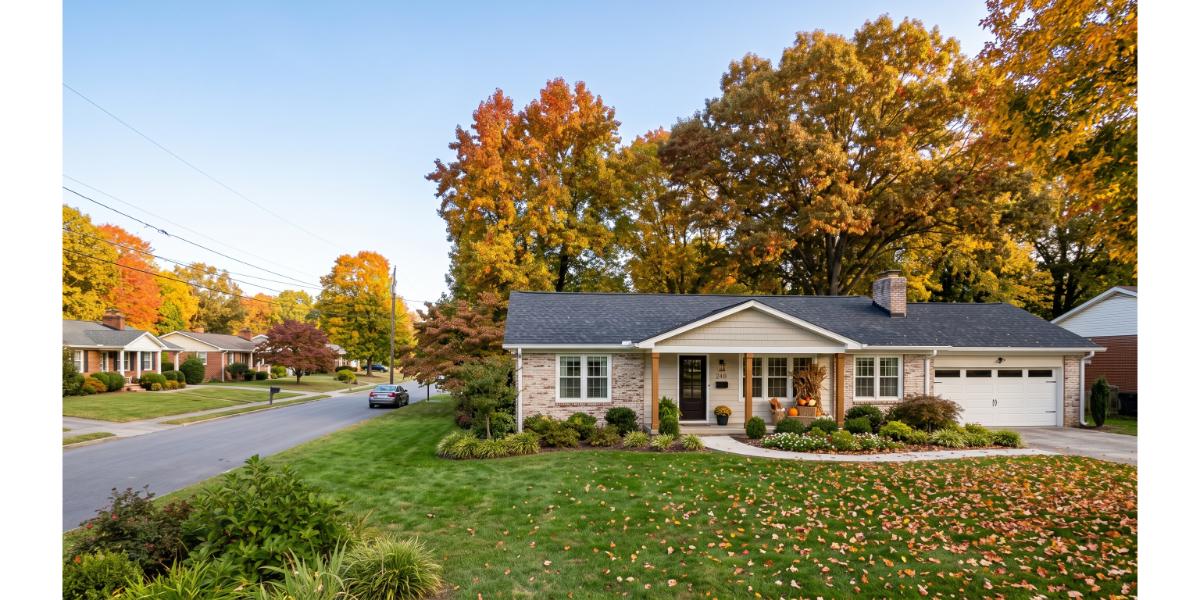
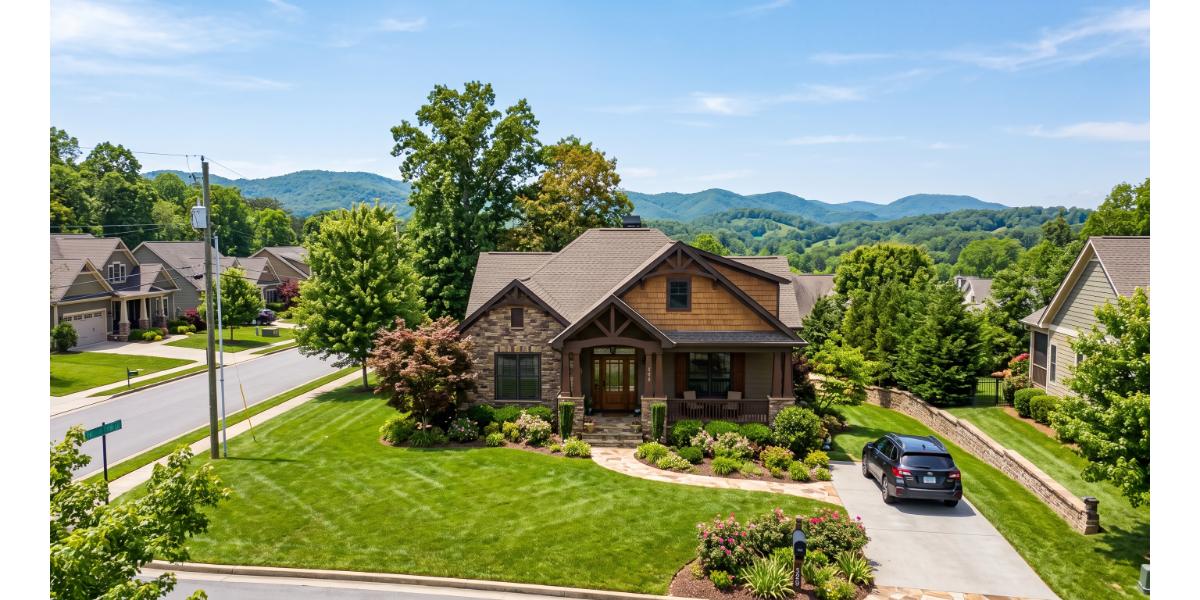
Keep the Johnson City House and Buy the Next One: Fannie Mae’s November 2026 Departing-Residence Rule for Tri-Cities Households

People say Annie Mae. The agency is Fannie Mae. The change that matters for a Johnson City, Kingsport, Bristol, or Jonesborough move-up is in Selling Guide announcement SEL-2026-08 and topic B3-3.8-05. If you are buying a new primary residence and keeping the house you live in now as a rental, Fannie Mae no longer uses a signed lease to count that departing home’s rent. Lenders must follow the new rental-income rules for applications dated on or after November 1, 2026. Many shops can use them sooner.

This is a conventional Fannie Mae rule, not a VA construction product and not a Preferred Rate exclusive. Tim Arrowood (NMLS #393468) at The Arrowood Team, Preferred Rate, partnered with American Pacific Mortgage (NMLS #1850), will tell you whether your Tri-Cities numbers actually take the old payment out of the new debt-to-income ratio. Educational only. Not a commitment to lend. Start at arrowoodteam.com.

Why this matters in the Tri-Cities more than a lease lecture

A lot of Tim’s book already used VA occupancy on the house they live in now: Mountain Home, ETSU medical, National Guard, and families who bought the first ranch with a VA purchase. VA occupancy is used up on that house. The next purchase is often conventional if they want to keep the first house. That is exactly the departing-residence conversation Fannie Mae just rewrote.

The old stall was “find a tenant first.” That is a hard ask when the kids are still in Science Hill or Dobyns-Bennett and the Gray or Jonesborough house is under contract. Fannie Mae now blocks a lease as the rent document on the house you still occupy. The lender documents market rent instead.

What actually changed

The updated departing-residence topic is dated September 2, 2026. For a primary that will be vacated and converted to a rental when the borrower buys a new primary, lease agreements are not permitted as the rent document. The lender documents market rent: a complete appraisal that includes market rents, Fannie Mae Form 1007 (Single-Family Comparable Rent Schedule) for the occupied unit, or market-analysis tools such as Zillow, Redfin, or MLS with at least three comparable rentals in the same market area when possible.

The same announcement tightened short-term rental income, investment properties purchased close to the subject closing, and lease standards when a lease is still allowed on a true investment property. Those are separate paths. This article is the keep-the-Johnson-City-house path.

Who this is for from Johnson City to Bristol

This is for a household that will live in the next house. You are not using this rule to buy a vacant rental as the subject property. You are using it so the payment on the house you are leaving does not crush the debt-to-income ratio on the house you are buying.

  • A Johnson City or Gray family buying up in Jonesborough or Elizabethton and keeping the first ranch as a long-term rental.
  • A Kingsport owner moving closer to Eastman work and holding the first house.
  • A Bristol or Bluff City household that can carry two payments only if market rent is allowed to offset the old housing cost.
  • Someone who already used VA occupancy on the current house and was told they had to sell first because “DTI will not work with two houses.”

Tim originates from Johnson City and works the Tri-Cities and nearby Southwest Virginia corridor every week. Confirm the property state. He will say when the keep-and-rent math does not work.

How Fannie Mae counts the rent without a lease

The lender must first document a current housing payment on the departing home. No current payment, no rental income in qualifying. Then the lender documents monthly market rent with one of the methods above. For a multi-unit departing property, market comps are limited to the unit you occupy, and tax returns are still required for units that already have tenants.

The 75 percent haircut

Adjusted monthly net rental income starts at 75 percent of the documented monthly gross rent. The other 25 percent is treated as vacancy and upkeep. That is Fannie Mae’s published method, not a Tim overlay. If a Johnson City ranch would rent for a number that looks comfortable on Zillow, qualifying rent is still three-quarters of that number before the old payment is subtracted.

Positive vs negative net rent

After the 75 percent step, the lender subtracts PITIA on the departing house (principal, interest, taxes, insurance, and association dues). If the result is positive, that rental income may offset the departing-house PITIA only. It does not become extra income you can spend on a larger new payment. If the result is negative, the shortfall goes into the debt-to-income ratio on the new loan. That is the honest answer to “can we exclude the departing residence from DTI?” Sometimes yes. Sometimes the old house still counts.

Reserves if you have not managed a rental

If you have less than 12 months of property-management experience, Fannie Mae requires six months of reserves covering PITIA on the vacated house. That reserve is in addition to reserves required for multiple financed properties. First-time landlords in Washington County and Sullivan County should expect that conversation early, not at clear-to-close.

Form 1007 vs listing-site comps

Form 1007 is an appraiser rent schedule. Listing-site or MLS comps need three comparables, preferably in the same subdivision. Tim will not pick the highest asking rent on a Facebook group in Johnson City and call it done. The application has to match what Fannie Mae will accept.

What you still have to bring

No lease does not mean no homework. Plan on the current mortgage statement and the full housing cost on the house you are leaving, HOA docs if the departing property has dues, a realistic rent set from appraisal, Form 1007, or three same-market comps, reserves if you have not managed a rental for a year, and the usual income, asset, and credit documentation on the new primary purchase. Also bring a plan for who manages the old house after you move. Fannie Mae is counting market rent, not a promise that a cousin will find someone.

If the departing house is a 2-4 unit and other units already rent, bring the most recent federal return that shows that rental income. The no-lease rule is about the unit you are vacating, not a free pass on units that already have tenants.

When this is the wrong path in the Tri-Cities

Say so before you write the next offer.

  • The subject property is the rental. Buying an empty investment house is a different Fannie Mae rental-income topic, or a DSCR conversation. Do not mash the two together.
  • You need VA, FHA, or USDA on the new house. This departing-residence update is Fannie Mae conventional. Those guides have their own rental and occupancy rules. Tim will map those instead of forcing conventional.
  • You wanted a VA one-time-close construction loan on the next house. Construction-to-perm and one-time-close are a different underwrite. This article does not rewrite those guides.
  • Market rent does not cover the old payment after the 75 percent haircut. Then the old house still counts against you. Keeping it can still be a life decision. It may not be a qualifying decision.
  • You were counting on a below-market lease to a relative. Fannie Mae now blocks leases on departing residences. A sweetheart lease is not a workaround.
  • You wanted short-term rental income to carry the old house. SEL-2026-08 added separate, more conservative short-term rental rules. This keep-and-rent path is market rent for a standard rental conversion, not an Airbnb shortcut in Boone Lake or downtown Johnson City.

What to do before November 1, and after

Fannie Mae encourages lenders to use the new rental-income structure now. They require it for all loans with application dates on and after November 1, 2026. If you are shopping in Johnson City or Kingsport this fall, ask which rule set the loan application will use. If you are targeting a winter or spring 2027 close, assume the November rule is the one that matters.

Before you list the current house “just in case,” sit with the keep-and-rent numbers. Some Tri-Cities households sell because they think they have to. Some keep a house they cannot actually qualify with. Both mistakes are expensive when inventory is thin.

Bring Tim the address of the house you would keep, the current payment, and the address you want to buy. He will run the 75 percent / PITIA / reserve check against Fannie Mae B3-3.8-05, then tell you if conventional keep-and-rent, a sale, or a different program is the honest path.

Questions people ask

Do I need a signed lease to keep my current Johnson City home and buy another?

Not for Fannie Mae departing-residence rental income. Lease agreements are not permitted on that topic. The lender documents market rent. You still need a current housing payment on the old house and a full conventional application on the new one.

I already used VA on this house. Does that kill keep-and-rent?

It means the next purchase is often conventional, which is exactly where this Fannie Mae topic lives. Tim will still check whether a second VA occupancy is even on the table. Do not assume it is.

Can I use the extra rent as income toward a bigger new payment?

No. If net rental income is positive after the 75 percent step and PITIA, it may offset the departing-house payment only. It does not raise the income used for the new primary.

When should I call?

Before you write the next offer, or before you list the current house because someone said you need a tenant first. Tim Arrowood, The Arrowood Team, Preferred Rate, NMLS #393468. arrowoodteam.com. This is education, not a commitment to lend or a guarantee of approval.

VA Home Loans in the Tri-Cities 2026: Residual Income, Occupancy, and What Mountain Home and ETSU Veterans Should Check First

A VA loan can be one of the strongest financing options available to an eligible veteran, but eligibility alone does not guarantee approval. Before writing an offer, veterans in Johnson City, Kingsport, Bristol, and the surrounding Tri-Cities should have a lender review three important areas: remaining VA entitlement, the intended occupancy of the new home, and the household’s residual income after monthly obligations.

Tim Arrowood with The Arrowood Team at Preferred Rate, a division of American Pacific Mortgage Corporation, helps veterans evaluate whether VA financing fits the property, household, and purchase plan. This article explains several of the items that should be reviewed before making an offer. It is for educational purposes and is not a commitment to lend or an approval. Visit ArrowoodTeam.com to get started.

Residual income is not the same as debt-to-income

VA underwriting looks at leftover money after the proposed housing payment and counted debts. A household that clears a conventional debt-to-income test can still miss residual income for family size in this region. The reverse is also true: a VA residual-income pass does not mean a conventional overlay would have passed.

  • Family size – residual tables change with dependents. A Johnson City household of five is not scored like a two-person Kingsport refinance.
  • Counted debts – auto loans, child support, and revolving minimums still matter. Ignoring a truck payment does not make residual income look better in underwriting.
  • Occupancy – the home has to be the primary residence on a timeline VA actually accepts. A “I’ll move in after my lease in Gray ends” story is not occupancy.

Certificate of Eligibility before the contract

The Certificate of Eligibility confirms earned VA home-loan benefits. Waiting until the option period to order it is how Tri-Cities contracts slip. If you used VA before, remaining earned benefits and any prior occupancy still have to be documented. A second VA purchase is not automatic.

Tim will tell you whether the certificate is the first document or whether occupancy and residual income are the real blockers. A certificate without a residual-income worksheet is not a VA pre-approval.

Mountain Home, ETSU, and Bristol are not one overlay

Households tied to James H. Quillen VA Medical Center at Mountain Home, ETSU faculty and staff, and Bristol employers on either side of the state line do not share one commute, tax, or insurance pattern. A Mountain Home-area primary home is not a South Holston lake house and it is not a rental near campus. Name the occupancy plan on day one.

Bristol, Tennessee and Bristol, Virginia are different licensing and property conversations. If the listing is across the line, say that before anyone builds a Tennessee-only worksheet. Tim will not invent a path that the property location cannot support.

Funding fee vs down payment – no rate quotes

VA can allow zero down for eligible veterans. The funding fee, exemptions, and whether a down payment changes the structure are case-specific. This article will not quote a fee percentage or an APR. Tim will map the current VA rules to your service history and occupancy, then say whether conventional or FHA is actually the cleaner path for this contract.

If a lender promised “VA is always cheaper,” ask them to show residual income and occupancy on this Johnson City or Kingsport address. A slogan is not a worksheet.

Documents to bring

LES or current pay documentation, disability award letters if they apply, the Certificate of Eligibility if you have it, asset statements, the listing, and a clear occupancy plan. If a spouse or co-borrower is on the loan, bring their income documents too. If you are self-employed on the side of military or VA disability income, say that on day one. That is a documentation path, not an automatic VA decline.

What the first VA conversation covers

Tim starts with occupancy and family size, not a product pitch. A Johnson City primary home is not a second house in the mountains and it is not a rental. Those are different overlays. Then residual income versus the debts that will still be on the books after closing.

If you already have a conventional pre-approval from a national shop, bring it. He will tell you what they skipped – residual income, occupancy, or the certificate – not what to feel about them. A letter that never ran VA residual income on a Bristol price is not a Bristol VA pre-approval.

Insurance questions on hillside or flood-adjacent lots belong in the first worksheet. A VA loan that ignores insurance is a worksheet that lies. In-town Kingsport purchases have a different insurance conversation. Name the county.

If a realtor is writing a short option period, say that before anyone spends money on an appraisal you do not need. VA residual income and occupancy are not a 48-hour credit pull. Tim will put a realistic calendar on the table so the offer matches the underwrite, not the other way around.

This article does not quote residual-income tables or APRs because those change. Educational only. Equal Housing Opportunity.

FAQ

Can I use VA if I already own a home?

Sometimes, depending on remaining earned benefits, occupancy, and the prior loan. It is not automatic. Bring the prior closing disclosure or current mortgage statement.

Does VA residual income replace credit?

No. Credit still matters. Residual income is an extra test, not a substitute for the rest of underwriting.

Is a VA IRRRL the same as a purchase?

No. An interest-rate reduction refinance is a different path with different occupancy and documentation rules. This article is a purchase conversation.

Do I need a down payment on VA in the Tri-Cities?

Eligible veterans often can do zero down. Property, occupancy, and residual income still have to work. Zero down is not a skip of underwriting.

How to start with Tim Arrowood

Contact Tim Arrowood at The Arrowood Team to review occupancy, residual income, and the Certificate of Eligibility for a Johnson City, Kingsport, or Bristol purchase. Educational only, not a commitment to lend. Get started at arrowoodteam.com.

Tim Arrowood – The Arrowood Team – Preferred Rate, partnered with American Pacific Mortgage (NMLS #1850) – Johnson City, TN – NMLS #393468

Equal Housing Opportunity. Tim Arrowood, NMLS #393468. Preferred Rate partnered with American Pacific Mortgage, NMLS #1850. Educational content only, not a commitment to lend. VA eligibility, residual income, occupancy, and funding-fee rules are case-specific and change. All loans subject to credit approval, appraisal, and lender guidelines. Verify licensing at NMLS Consumer Access.

Related guides from The Arrowood Team

Ready to move forward? Start your application or see how the $5,000 Closing Guarantee strengthens your offer.

VA One-Time-Close Construction in the Tri-Cities 2026: What Veterans Should Ask Before the Slab

A lot of Tri-Cities veterans want to build, not fight for a 1980s ranch that needs a new roof. The file that actually funds is usually a VA one-time-close (OTC) construction loan: one underwrite, one closing, construction draws, then a permanent VA mortgage when the house is finished. It is not the same as a cash construction loan plus a later VA refinance, and it is not a regular VA purchase on a finished house.

I am Tim Arrowood, producing branch manager with The Arrowood Team at Preferred Rate (NMLS#393468), partnered with American Pacific Mortgage (NMLS #1850). VA OTC has been our strongest construction niche in Johnson City, Kingsport, Bristol, and Jonesboro. This is educational, not a lock or an approval. Start at arrowoodteam.com.

One-time-close vs construction-then-perm

Two-close construction means you qualify for a construction loan now and again for a permanent loan later. Income, credit, and residual income get tested twice. If rates move or a residual-income overlay tightens, the second close can fail after the house is framed.

VA OTC is designed so the permanent VA loan is approved up front. Draws pay the builder during the build. When the certificate of occupancy is issued, the loan converts. You still have inspections, a final appraisal, and builder conditions. You do not start a brand-new mortgage underwrite from zero if the file was set up correctly.

  • Use OTC when you already own the lot (or will at closing), the builder can work with VA draws, and you want one residual-income test.
  • Use two-close or a different product when the builder will not accept VA draw schedules, the land is not VA-eligible yet, or the timeline is a spec house that will be finished before you need financing.

VA residual income still rules the file

VA does not live on DTI alone. Residual income – what is left after the proposed PITIA and other debts – has to clear the VA table for your region and household size. A construction payment during the build may be interest-only. The qualifying payment is the permanent PITIA on the finished house, including taxes on the improved value, not the vacant-lot tax bill.

Tri-Cities files often include a VA disability award, a second job in Johnson City or Kingsport, or a spouse who works in Bristol. Bring the award letter, LES or retirement, and a clear household count. Do not guess residual income from a payment-calculator app.

Land, lot, and what has to be owned at closing

OTC works cleanest when the lot is already owned free and clear, or when the lot purchase and the construction loan close together under the same VA file. A raw acreage tract in Washington, Sullivan, or Carter County may need a survey, perk or sewer confirmation, and a builder who will stand behind a VA-eligible contract. If the land is in a family LLC, title has to be cleaned before we lock a draw schedule.

Jonesboro and the I-26 corridor add a state-line wrinkle. If the lot is in Tennessee and you work in Virginia or North Carolina, the occupancy and residual-income story still has to be a Tri-Cities primary residence, not an investment build.

Builder eligibility and draw reality

Not every production builder in Johnson City or Kingsport will take VA OTC draws. Some want a cash or conventional construction lender. Ask on the first builder meeting: will you accept a VA one-time-close draw schedule, inspections, and a final VA appraisal? If the answer is a shrug, we price a different path before you pay a design-center deposit.

Draws require inspections. Weather delays in the mountains are normal. The file needs a contingency in the budget and a completion date that a lock desk can live with. A 90-day lock does not cover a 10-month build. We plan the lock or float on day one.

What we collect on the first call

  • COE or enough service detail to pull one.
  • Lot address or parcel, and whether you already own it.
  • Builder name, contract or bid, and whether they have closed a VA OTC before.
  • Plans, specs, and a budget that includes site work, well/septic if needed, and a reserve.
  • Income docs: LES, retirement, W-2, or 1099 if you are a contractor building your own house.

If you are a veteran who is also the builder, that is a different overlay. Say it immediately. Owner-builder VA files need a tighter spec book, a realistic labor line, and a completion plan a VA inspector can follow. We would rather redesign the file in week one than discover that at the first draw.

How The Arrowood Team runs the file

  1. Confirm VA eligibility and residual income on the finished PITIA.
  2. Confirm the lot and builder can live on a VA OTC draw schedule.
  3. Price OTC vs a two-close construction path so you see the real trade.
  4. Only then talk cabinets, elevations, and a Jonesboro vs Johnson City lot premium.

Start at arrowoodteam.com. Ask for a VA OTC construction review. Consultation is no cost.

Frequently asked questions

Can I use a VA OTC if I already have a VA loan on my current house?

Sometimes, if you have remaining entitlement or will sell before the new loan funds. Bring both statements. Do not assume a second VA loan is automatic.

Does VA OTC require zero down?

VA can be zero down on an eligible file. Construction still needs closing costs, reserves, and a budget that survives a change order. Land equity can count. Cash you already spent on the lot is not the same as cash to close.

What if the appraisal comes in light at the end?

The finished house has to support the loan amount. Options, elevations, and cost overruns that the appraiser will not support become cash. We watch that during the build, not at the CO.

Can FHA or conventional construction work if VA OTC does not?

Yes. Those are separate avatars. If the builder or the land kills VA OTC, we price FHA or conventional construction instead of forcing a product that will not close.

How do I start with Tim?

Go to arrowoodteam.com and say VA OTC plus the city (Johnson City, Kingsport, Bristol, or Jonesboro). Attach the lot and builder name if you have them.

Tim Arrowood – The Arrowood Team – Preferred Rate – Johnson City / Tri-Cities, TN – NMLS#393468 – https://arrowoodteam.com

Educational information for Tennessee borrowers. Not a rate guarantee or commitment to lend. VA eligibility, residual income, and construction overlays are file-specific. Tim Arrowood, NMLS#393468. Preferred Rate, partnered with American Pacific Mortgage, NMLS #1850. Equal Housing Opportunity. Verify licensing on NMLS Consumer Access.

Related guides from The Arrowood Team

Ready to move forward? Start your application or see how the $5,000 Closing Guarantee strengthens your offer.

THDA and Tri-Cities First-Time Buyers 2026: Down Payment Help for Johnson City, Kingsport, and Bristol

First-time buyers in Johnson City, Kingsport, Bristol, and Jonesboro often have income and credit that work – and not enough cash after earnest money, inspections, and a moving truck. THDA (Tennessee Housing Development Agency) is the state path that can put down-payment and closing-cost help on a first mortgage. It is not automatic, it has income and purchase-price limits, and it has to be structured on the same day as the loan product, not after you are under contract with a “we will figure it out” note.

I am Tim Arrowood with The Arrowood Team at Preferred Rate (NMLS#393468). We run THDA next to a plain FHA or conventional file so you can see cash to close, monthly payment, and whether the assistance is a true fit. This is educational. Limits and product names change. Start at arrowoodteam.com.

What THDA is actually doing on the file

THDA pairs a first mortgage (often with a specific rate sheet) with down-payment assistance that may be a second lien, a grant-style credit, or a forgivable/repayable structure depending on the program in force when you lock. The first question is not “do I get free money.” It is “does the payment plus the second-lien rules still work if I sell in four years, and do I meet income and price caps for this county.”

Washington, Sullivan, Carter, and Unicoi counties sit in one market. Jonesboro sits across the line in a different assistance conversation. If you are touring both sides of the state line, say so before we pick a program.

First-time, income, and purchase-price screens

Most THDA first-time paths want you to be a first-time buyer under the program definition (often no ownership in the last three years, with veteran and targeted-area exceptions). Income is household income, not just the borrower on the note. A roommate who is not on the loan can still count if they will live in the house – ask before you hide a household member.

Purchase-price limits are real in the Tri-Cities. A renovated house near ETSU or a Kingsport move-up can blow the cap even when the payment looks fine. We check the cap on the MLS print before you write. Closing costs in Tennessee also include prepaid taxes and insurance; a “zero down” headline that ignores those line items is how first-time buyers show up $4,000 short at the title company.

THDA vs a smaller conventional down payment

A 3% conventional or a standard FHA 3.5% down file with a gift from family can beat THDA if the THDA rate or second-lien payment is heavier. THDA wins when you have almost no cash, you clear the income cap, and you will occupy the house as a primary residence long enough for the assistance rules to make sense.

  • Run cash to close with and without THDA, including prepaid taxes and insurance in Tennessee.
  • Run the payment including any second-lien or assistance repayment.
  • Run the exit. If you might sell or refinance in 24 months, read the recapture or repayment language before you celebrate.

Neighborhood notes

  • Johnson City / ETSU area. First-time files and modest bungalows. Price caps and older-house condition (roof, HVAC) show up on FHA appraisals.
  • Kingsport and Bristol. Mix of first-time and veteran households. If VA residual income already works with a small down payment, VA may beat THDA. We run both.
  • Jonesboro. Tennessee THDA does not follow you across the state line. If the house is in Arkansas, we use a different assistance map.

What to bring to the first call

  • Last two pay stubs, W-2s, and last year’s tax return if you have it.
  • Household size and who will live in the house.
  • A target price and two MLS numbers if you are already touring.
  • Gift letters if anyone is helping with earnest money.

We will tell you the same day whether THDA is the path or whether a straight FHA/conventional/VA file is cheaper. If you are already writing offers on a weekend, send the MLS number Saturday morning. A price-cap miss is cheaper to find before earnest money is at risk than after a seller has taken the house off the market.

Credit is the other silent killer on first-time files. THDA and FHA both have minimums, and a collection that is easy to explain on a VA residual-income file can still stall an assistance lock. Bring the credit report you already pulled if you have one. If you do not, we will pull a mortgage credit and tell you whether to wait 30 days or write now.

How The Arrowood Team sequences it

  1. Income and first-time screen against current THDA limits.
  2. Product comparison: THDA vs FHA vs conventional vs VA if you are eligible.
  3. Written cash-to-close so you do not write an offer on a hope.
  4. Contract language that gives us time to lock the assistance, not a three-day close.

Start at arrowoodteam.com. Subject line “THDA” plus Johnson City, Kingsport, Bristol, or Jonesboro. If you already have a realtor, copy them on the first email so the contract timeline matches the assistance lock, not a three-day close a listing agent assumed from a cash buyer down the street.

Frequently asked questions

Is THDA only for first-time buyers?

The common paths are first-time or first-time-equivalent. Veterans and some targeted areas can have exceptions. Ask with your specific history; do not assume a prior short sale blocks you forever or that a prior ownership is always fatal.

Can I stack THDA with a gift?

Sometimes. Gift rules and assistance rules both have to clear. Tell us about the gift on day one so we do not build a file that breaks in underwriting.

Does THDA work on new construction?

Some assistance paths allow new construction; timelines and builder overlays get tighter. If you are building, say so. That may be a VA OTC conversation instead.

What if I am over the income limit by a little?

Then we do not force THDA. We price FHA, conventional, or VA on the real income. Stretching a household-income story is how files die.

How do I start?

Go to arrowoodteam.com and ask for a THDA vs conventional cash-to-close comparison for your city.

Tim Arrowood – The Arrowood Team – Preferred Rate – Johnson City / Tri-Cities, TN – NMLS#393468 – https://arrowoodteam.com

Educational information for Tennessee borrowers. Not a commitment to lend or a guarantee of THDA funds. Income limits, purchase-price caps, and assistance structures change. Tim Arrowood, NMLS#393468. Preferred Rate, partnered with American Pacific Mortgage, NMLS #1850. Equal Housing Opportunity.

Related guides from The Arrowood Team

Ready to move forward? Start your application or see how the $5,000 Closing Guarantee strengthens your offer.